Description
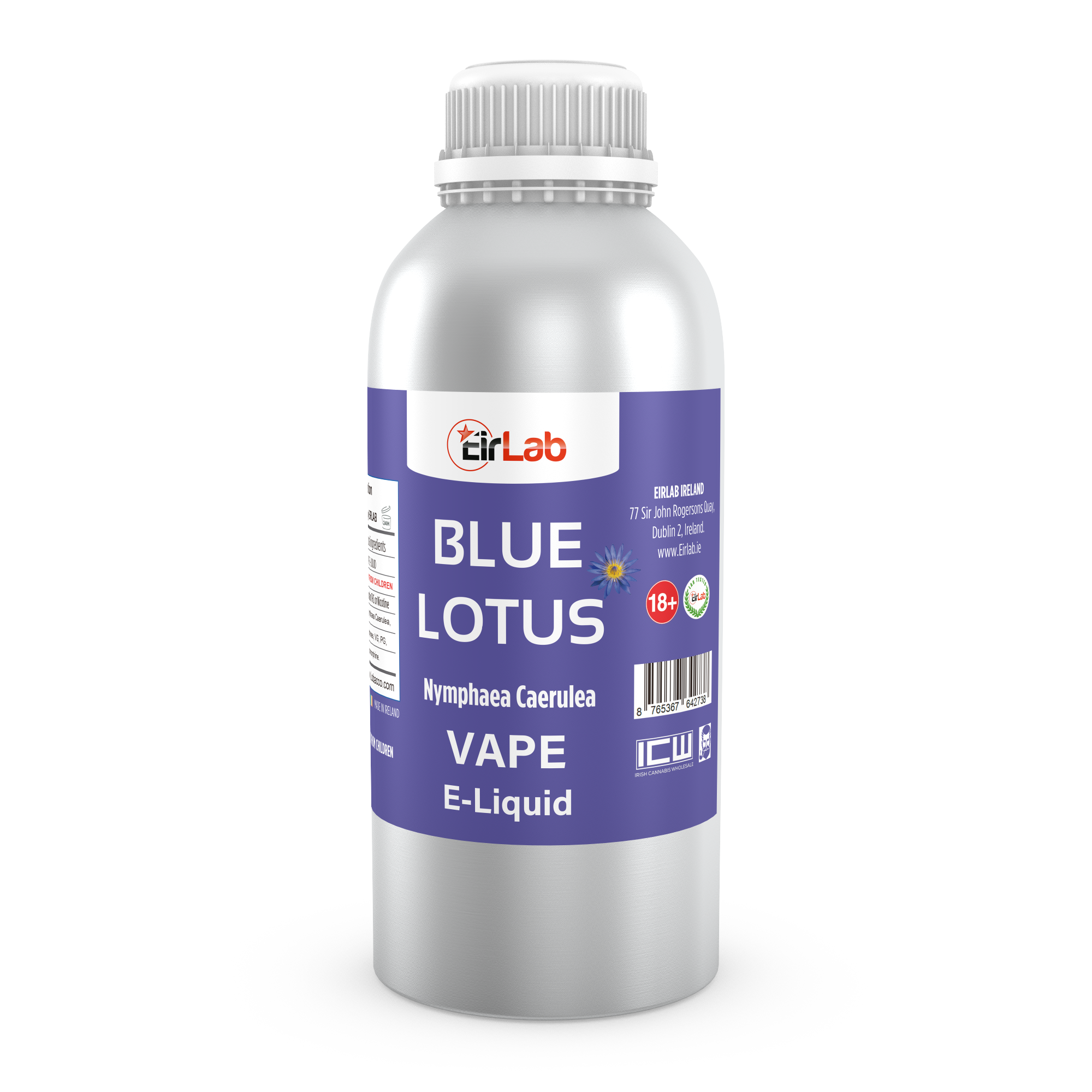
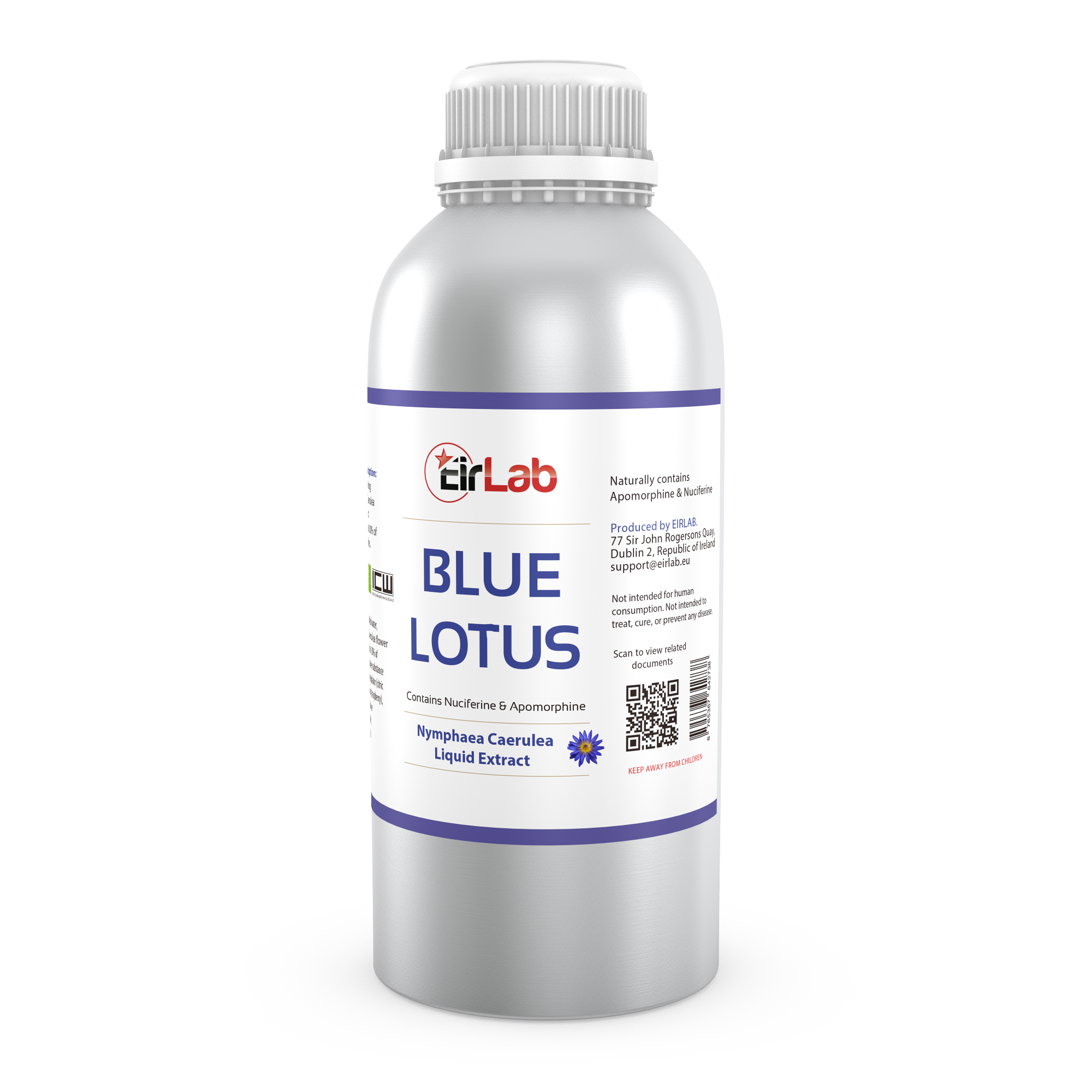
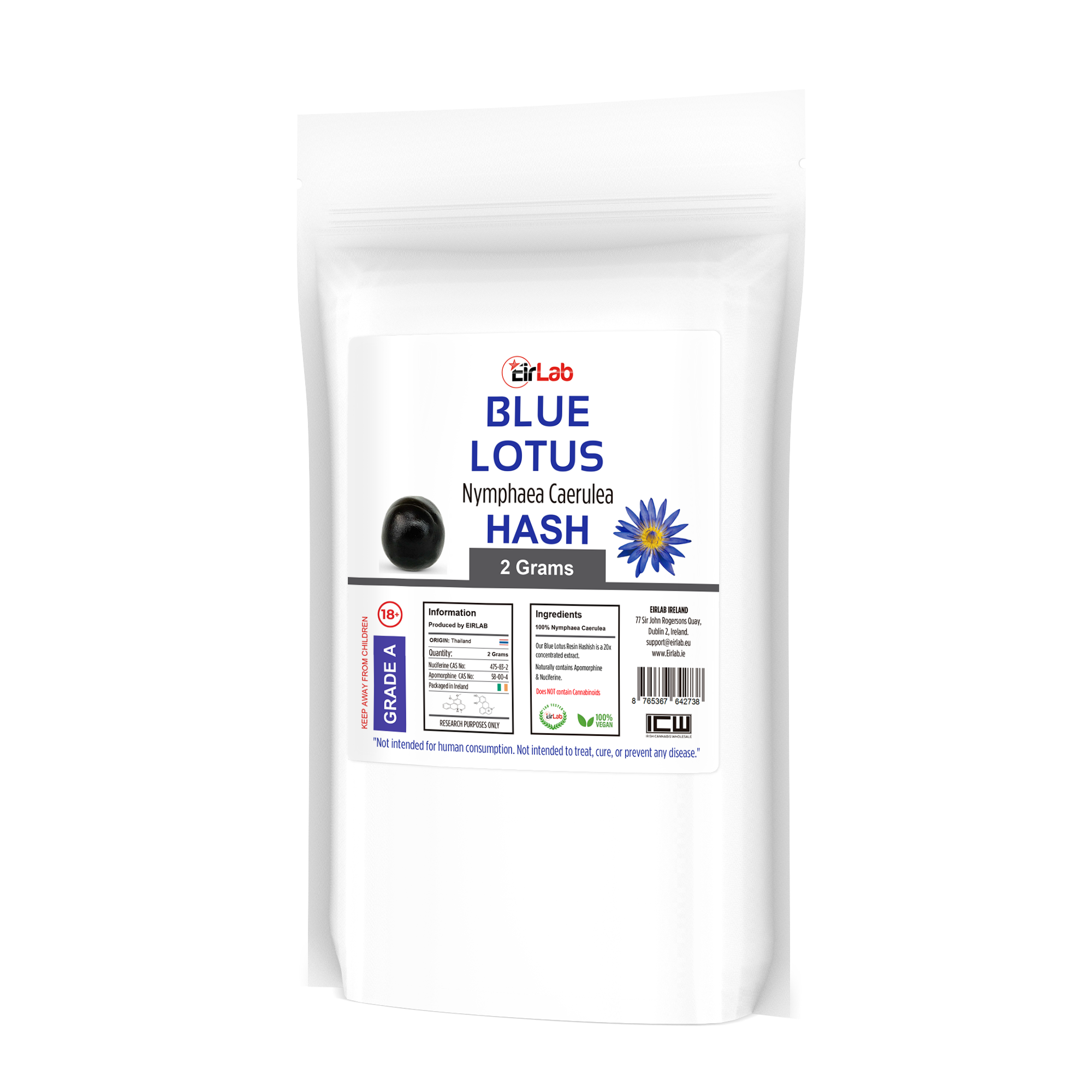
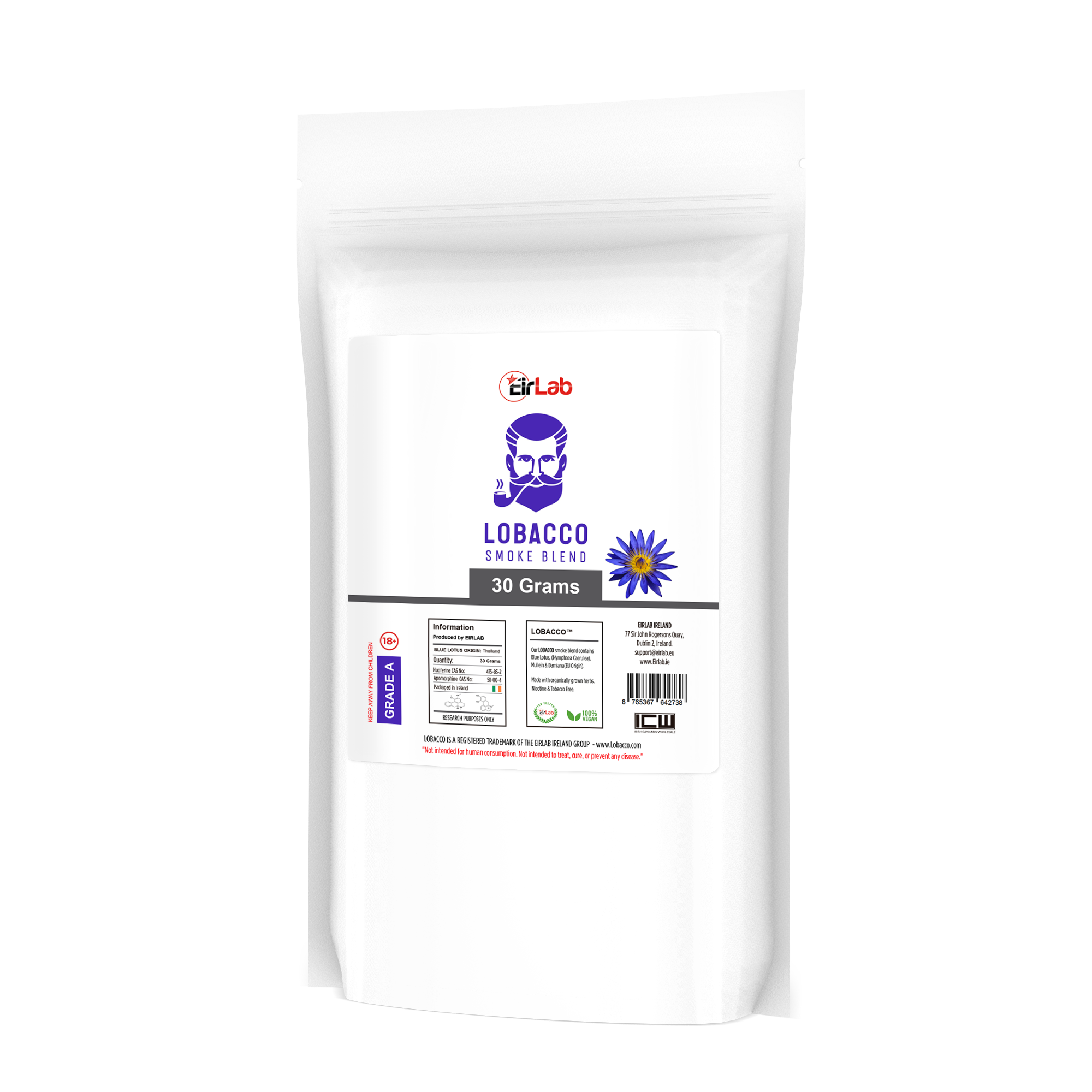
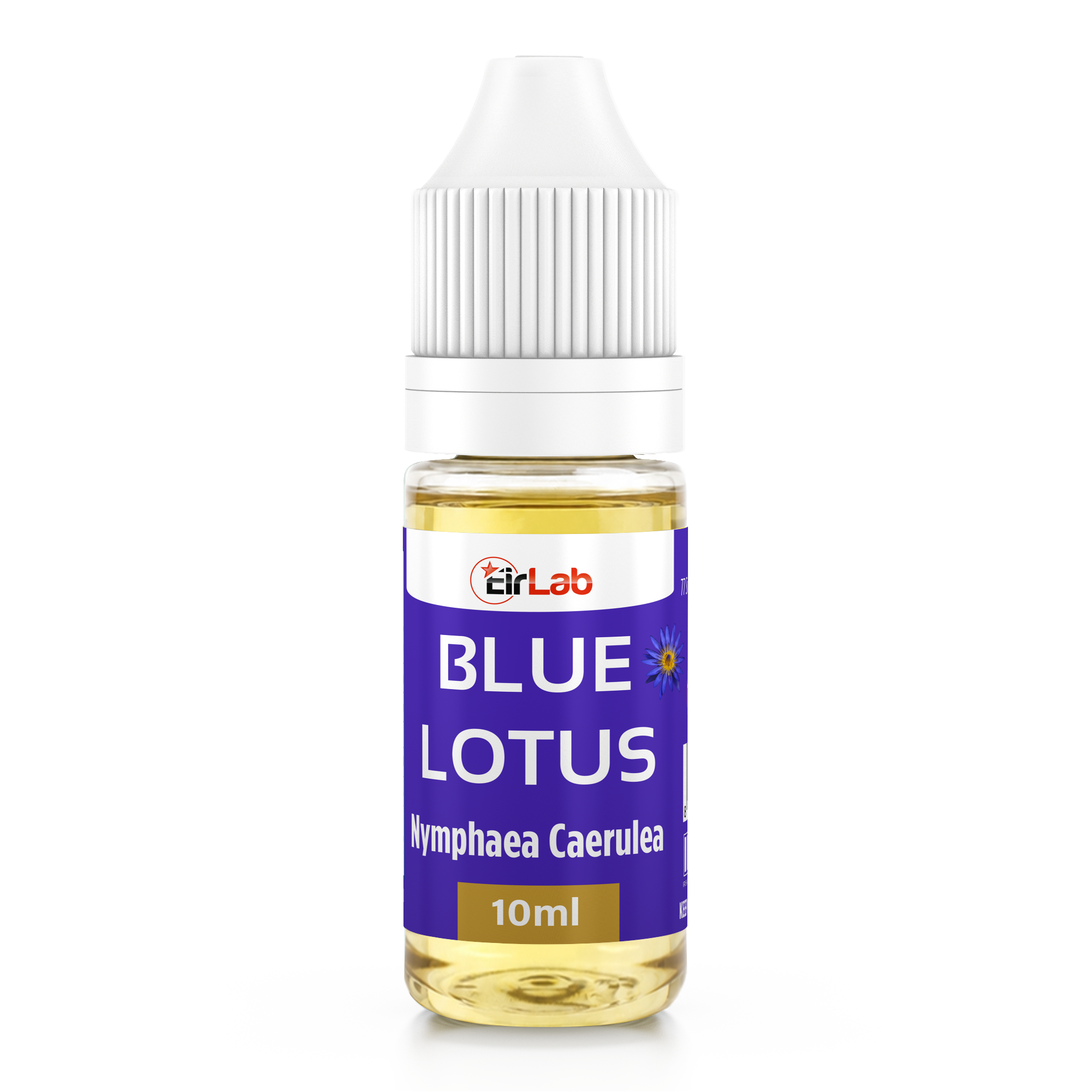
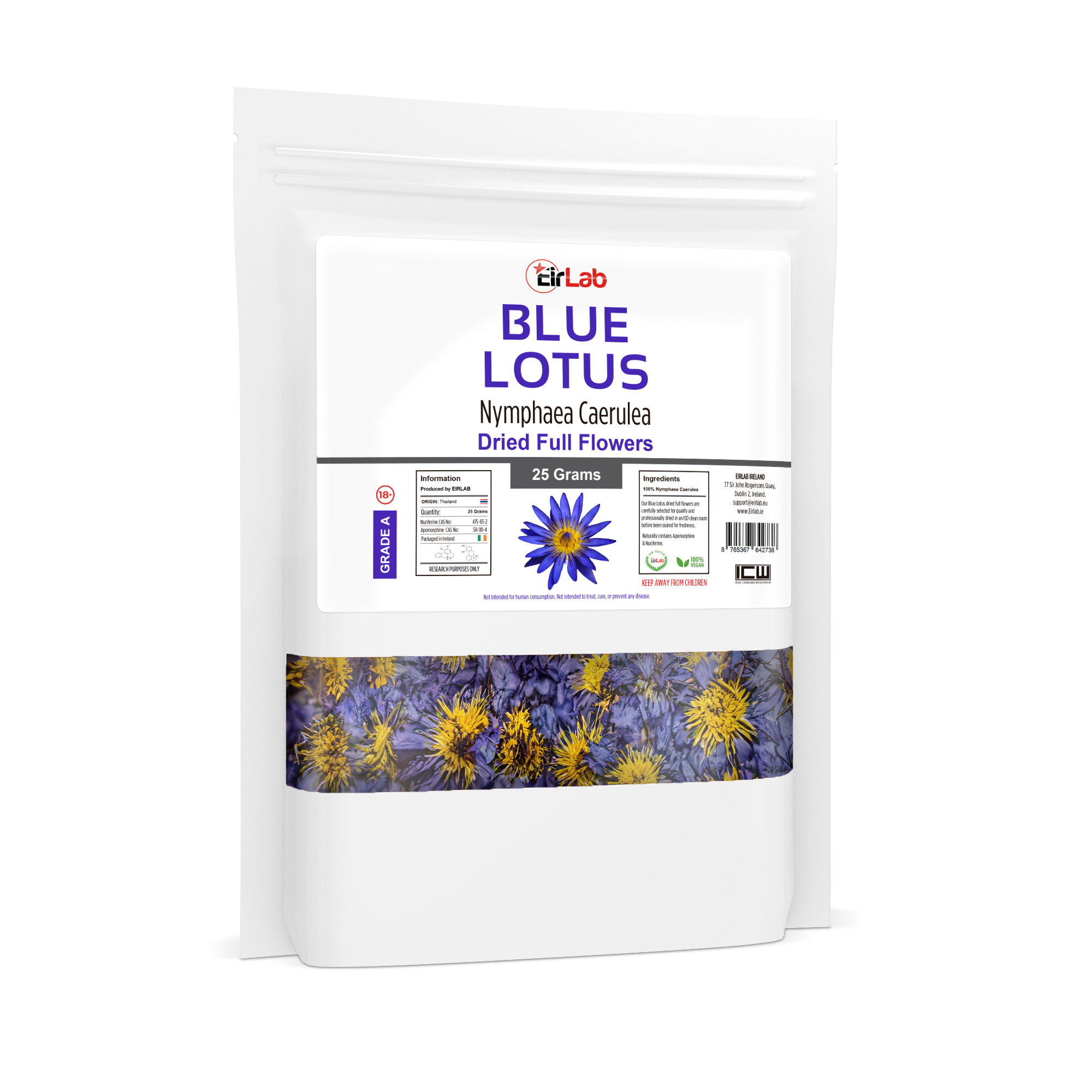
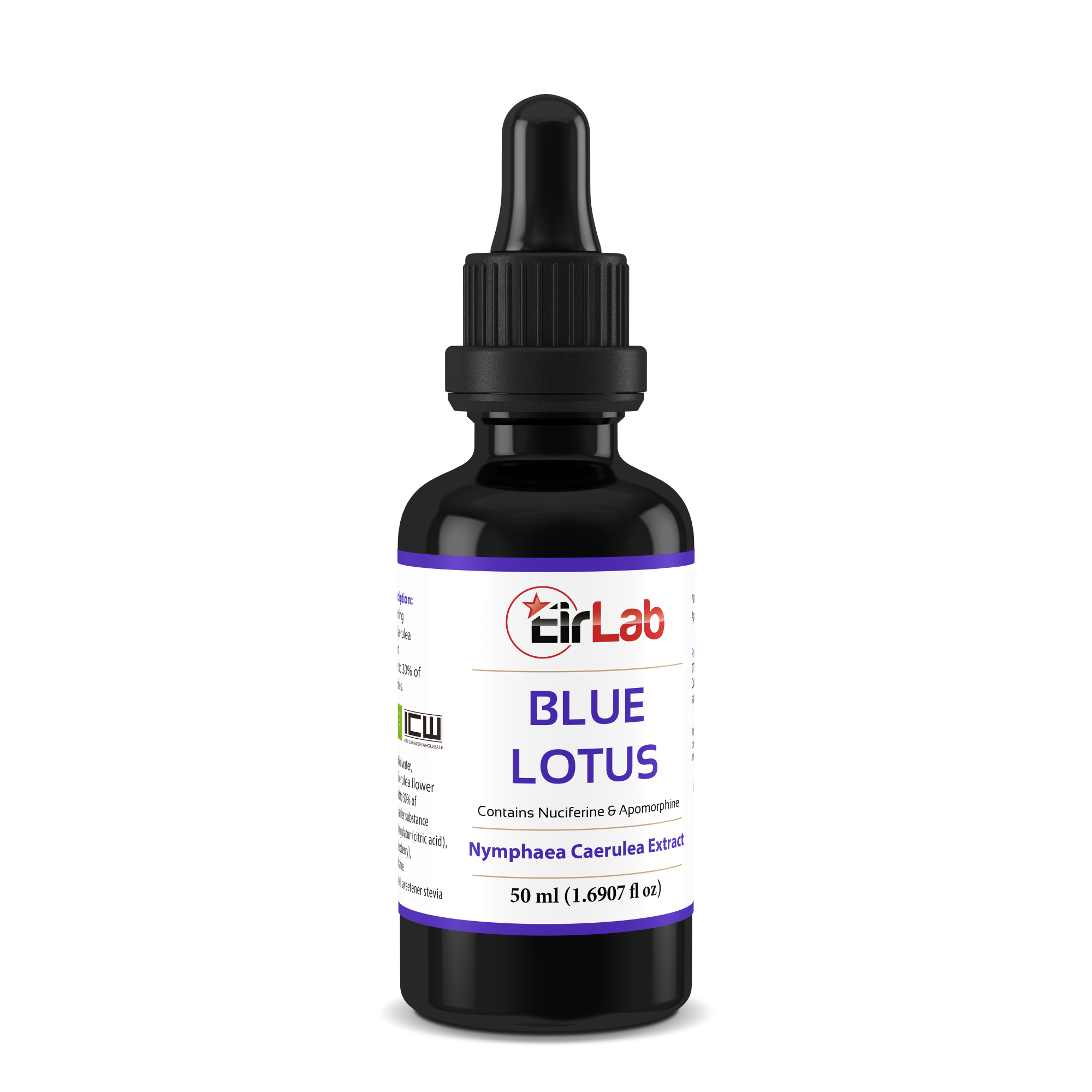
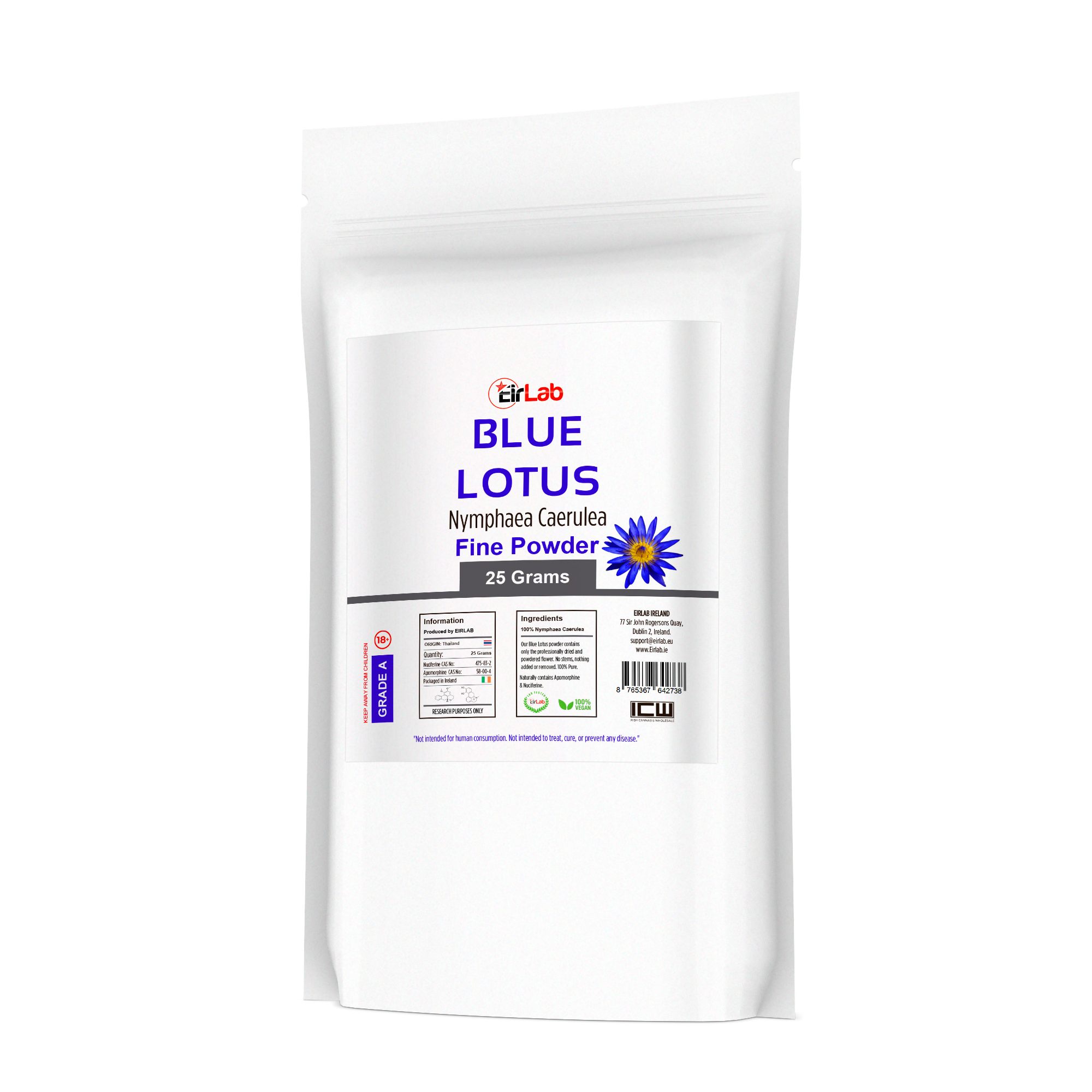
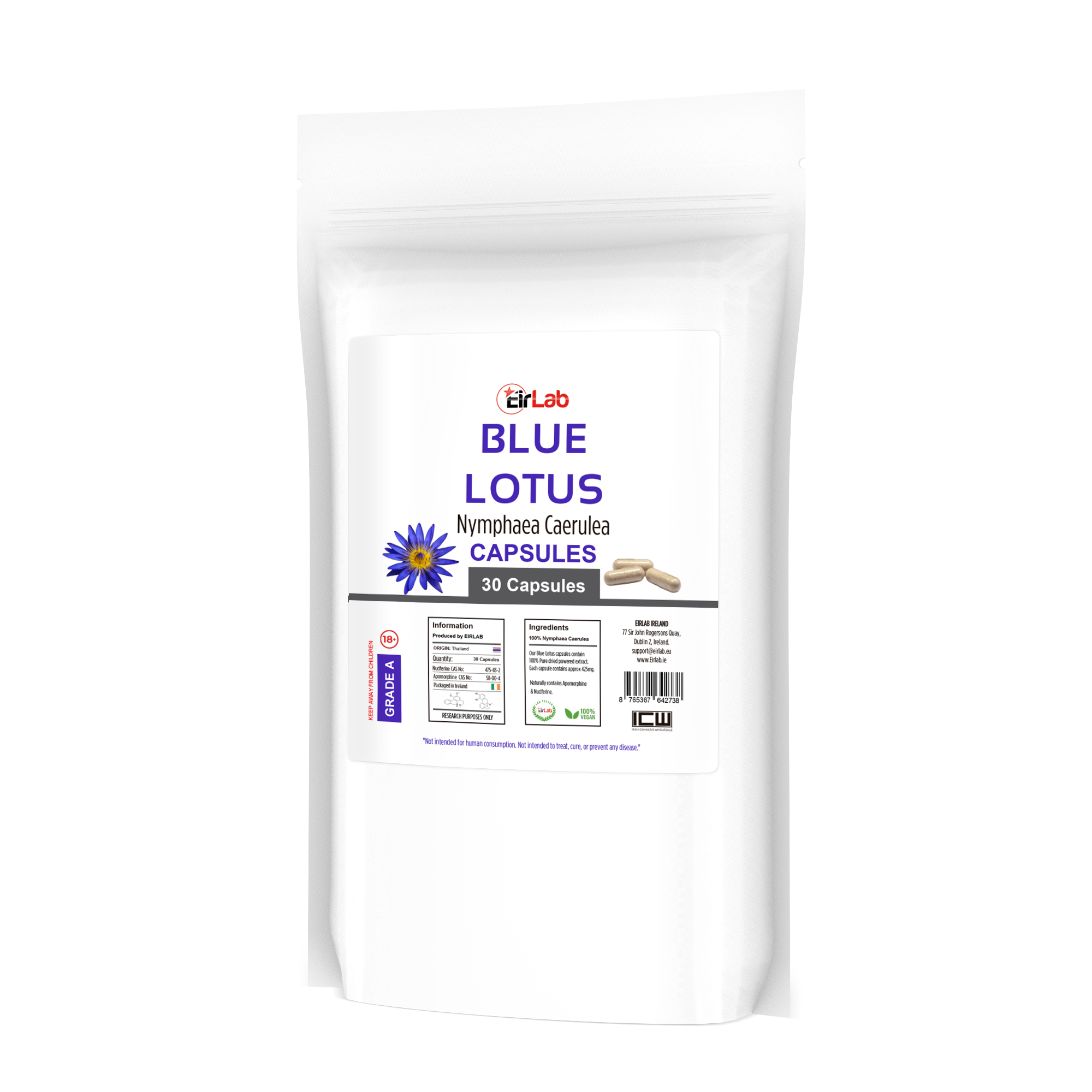
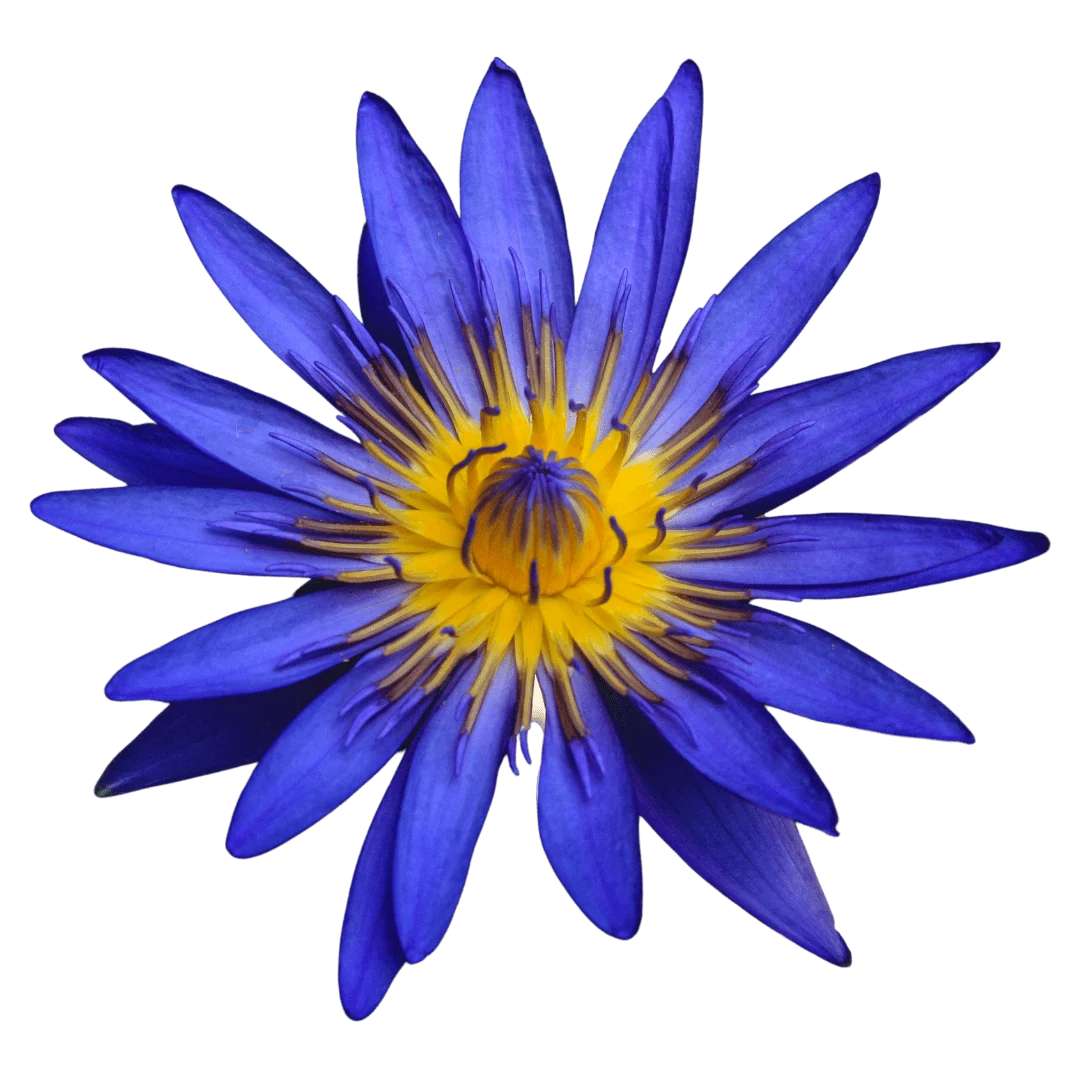
Blue Lotus (Nymphaea caerulea), also known as the Egyptian blue water lily, is an aquatic flower deeply rooted in ancient history and spiritual symbolism. Traditionally associated with renewal, tranquillity, sensuality, and consciousness, it continues to captivate those drawn to botanical wellness and mindful living.
Blending cultural heritage with fascinating botanical chemistry, Blue Lotus offers a window into humanity’s enduring relationship with nature, ritual, and inner reflection.
HISTORY AND SPIRITUAL SIGNIFICANCE
In ancient Egypt, Blue Lotus appeared in temple carvings, tomb paintings, and ceremonial imagery. Associated with the sun, rebirth, and the renewal of life, it became a powerful symbol of transformation and spiritual awakening.
Historical depictions also connect the flower with celebration and sensuality, although the precise nature of its traditional psychoactive use remains uncertain. Today, its legacy endures as an emblem of beauty, harmony, and the connection between body, mind, and nature.
PSYCHOACTIVE PROPERTIES AND REPORTED EXPERIENCES
Blue Lotus has traditionally been associated with relaxation, elevated mood, sensual awareness, and contemplative states. Some contemporary users report gentle calm, subtle euphoria, or dreamlike sensations.
ACTIVE COMPOUNDS: THE SCIENCE
Blue Lotus contains a complex range of natural constituents, including alkaloids that have attracted scientific interest.
Nuciferine: Investigated for interactions with dopamine and serotonin receptors, which are involved in mood, perception, and cognition. Its presence and contribution to the effects of Blue Lotus supplements are not consistently established.
Aporphine: Another alkaloid discussed in relation to Blue Lotus chemistry, although its specific role in the plant’s effects remains unclear.
The chemical composition of Blue Lotus varies with growing conditions, plant material, and extraction methods.
POTENTIAL WELLNESS AND SPIRITUAL APPLICATIONS
Blue Lotus has a longstanding association with mindful rituals, relaxation, and introspection. Contemporary users describe a range of subjective experiences, but robust clinical evidence supporting specific health benefits is lacking.
Traditional and anecdotal associations include:
Relaxation: A perceived sense of calm and tranquillity.
Mood and sensory awareness: Reports of subtle mood changes or heightened sensory experience.
Meditation and reflection: A symbolic botanical companion for contemplative practices and personal rituals.
Botanical research: Preliminary laboratory interest in certain plant constituents, without established therapeutic benefits in humans.
A TRADITION FOR MODERN LIVING
Blue Lotus brings together ancient symbolism and modern botanical curiosity. Whether appreciated for its cultural heritage, natural complexity, or place in personal rituals, it invites a mindful appreciation of the present moment.
Its enduring significance lies in the meeting of tradition, nature, and scientific discovery—honouring the mysteries of the natural world while remaining grounded in evidence.
DOCUMENTS:
MSDS Blue Lotus (Nymphaea Caerulea) Extract